
- Below 4.49 → Optimal.
Your body is managing sugar and fat well. - Around 4.5 to 4.9 → Caution zone.
Your body’s working harder than it should—time to clean up hidden sugars and move a little more. - Above 4.9 → Insulin resistant.
Your cells aren’t listening to insulin anymore, so your brain isn’t getting the energy it needs.
🍳 1. Rethink Breakfast
Start with protein + healthy fat: eggs, avocado, nuts, or Greek yogurt.
It steadies your blood sugar all morning.
✨ The day feels calmer when you start steadily.
When you start your meals with protein and healthy fats, you stay satisfied longer, which means you don’t feel the urge to snack as much.
It’s not about willpower—it’s about fuel that lasts.
🚶♀️ 2. Walk After Meals
A short 10–15 minute walk helps muscles use the sugar that’s already in the bloodstream—so insulin doesn’t have to work as hard. It’s one of the simplest ways to steady your Alzie’s energy and protect their brain.
✨ That 10-minute walk became our favorite ritual together.
🥦 3. Focus on Real Food
Feed your Alzie (and yourself) with real, whole foods.
Think: fish, olive oil, vegetables, nuts, eggs, lean proteins.
Less packaging. More nutrients.
✨ Our rule: if it doesn’t come from nature, it probably doesn’t belong on the plate.
📉 4. Track Progress with TyG or a CGM
Recheck your TyG Index every few months.
Or, try a Continuous Glucose Monitor (CGM) for a few weeks—it shows you, in real time, how your body reacts to food.
✨ Data doesn’t have to be scary—it’s feedback you can act on.

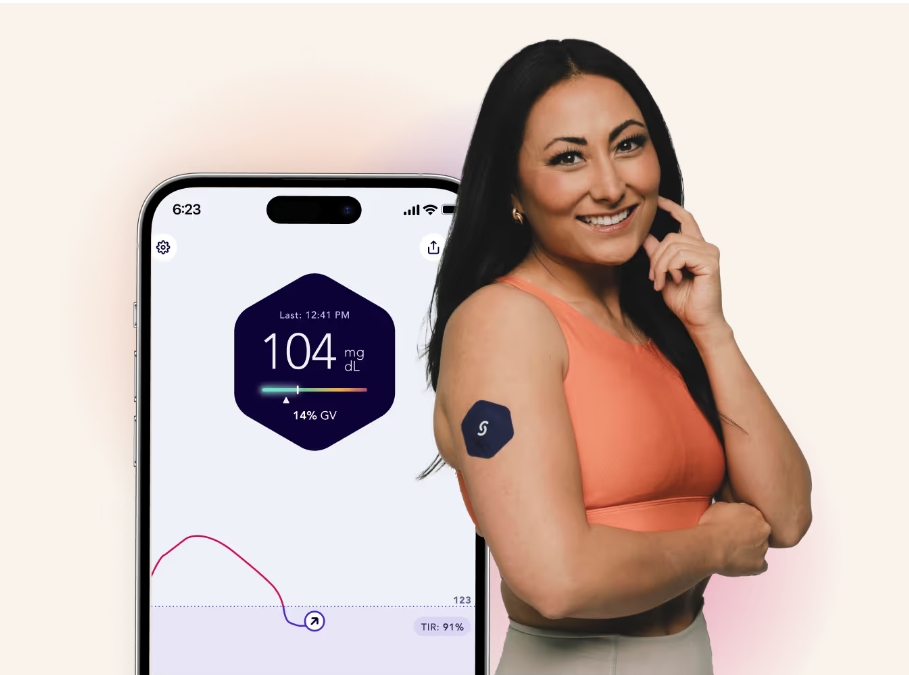
Kevin and our mom started using Signos in 2024, around the same time Continuous Glucose Monitors (CGMs) became available over-the-counter in the U.S. We chose Signos because it provides real-time data and personalized insights—it helped us see exactly how food and movement affected their blood sugar levels.
We went with the 3-month plan since the price difference wasn’t huge, and we wanted time to learn. However, now that we’ve gone through it, the one-month plan is a great starting point if you want to test the waters.
If you’re considering a 3- or 6-month plan, we have a $100 discount code you can use!