The TyG Index: A New Biomarker Every Alzheimer’s Caregiver Should Know

We’d never heard of the TyG Index—not until we saw a post from Dr. David Perlmutter on Instagram sharing new research that stopped us cold.

It linked a simple blood test calculation to insulin resistance—the hidden driver behind brain decline.

That same day, we pulled up our mom’s most recent lab results and calculated her TyG score ourselves.

And there it was.

What we had quietly suspected for months was true: our mom is back to being insulin-resistant.

Once we saw that number, we called a family meeting.
Because that single calculation changed how we care for her—again.


Find Out If Sugar Is Hurting Your Alzie’s Brain

A simple test called the TyG Index shows how well your body uses sugar for fuel.

When our mom’s score climbed to 4.64, we realized she’d slipped back into insulin resistance—and her brain was running low on energy.

🔗 Learn more about how to calculate the TyG Index and what it means

How to Read the Results (in Plain English)

Once you plug in your triglyceride and glucose numbers, you’ll get a result that usually falls between 3.5 and 5.5.

Here’s how to read it in human terms:

  • Below 4.49 → Optimal.
    Your body is managing sugar and fat well.
  • Around 4.5 to 4.9 → Caution zone.
    Your body’s working harder than it should—time to clean up hidden sugars and move a little more.
  • Above 4.9 → Insulin resistant.
    Your cells aren’t listening to insulin anymore, so your brain isn’t getting the energy it needs.

🧠 Our mom was 4.34 last year—optimal. This summer, she climbed to 4.64. That tiny jump meant her brain was suddenly getting less fuel.


What Our Mom’s Numbers Told Us

Last year, Mom’s TyG Index was 4.34—right in the optimal range.
This September, it climbed to 4.64, crossing into insulin-resistant territory.

That small jump on paper meant something significant in real life: her brain was suddenly getting less fuel.

We saw it in her focus, her energy, her processing.

And we knew we needed to act fast.

Why It Matters for Alzheimer’s

When the brain becomes insulin-resistant, it can’t use glucose efficiently.

Think of it like a car running low on fuel—the engine’s still there, it just doesn’t have what it needs to run smoothly.

That shortage doesn’t just cause brain fog—it can accelerate cell damage and speed up cognitive decline.

You can’t permanently “fix” insulin resistance, but you can reverse it through consistent daily habits.

Think of it like fitness: once you’re strong, you have to keep moving to stay that way.

Quick Science Break

Think of your body like a kitchen.

Glucose = quick fuel.
It’s the sugar your body and brain run on—like the food cooking on the stove right now.
Your brain prefers a steady stream of energy from slow-burning foods like fruit, oats, beans, and whole grains.

Triglycerides = stored fuel.
They’re the leftover calories your body tucks away as fat—kind of like putting extra food in the fridge for later.

When both blood sugar (glucose) and blood fat (triglycerides) stay high, it’s a sign your body isn’t using or storing energy the way it should.

That’s called insulin resistance—and it’s one of the earliest signs your metabolism needs help.

Over time, this buildup doesn’t just affect your heart—it also affects your brain.
Because your brain depends on a steady, balanced fuel supply to think clearly and stay healthy.

🧠 The TyG Index helps you see that—long before symptoms get worse.

🔗 Here’s the research behind it.

Can You Overcome Insulin Resistance for Good?

Yes—and no.
You can reverse insulin resistance through consistent lifestyle changes, but it takes maintenance.
Think of it like fitness: once you’re strong, you have to keep moving to stay that way.
The significant shift happens when you stop flooding your body with sugar and give your cells a break from the constant glucose rush.

Over time, they start listening to insulin again.

🧠 This isn’t about perfection—it’s about progress. Every time your TyG number drops, it’s another signal your brain’s getting the fuel it needs.


How to Manage (and Reverse) Insulin Resistance

Start small.
These are the changes that helped move our mom from “resistant” back to “optimal.”

🍳 1. Rethink Breakfast

Start with protein + healthy fat: eggs, avocado, nuts, or Greek yogurt.
It steadies your blood sugar all morning.

The day feels calmer when you start steadily.
When you start your meals with protein and healthy fats, you stay satisfied longer, which means you don’t feel the urge to snack as much.

It’s not about willpower—it’s about fuel that lasts.

🚶‍♀️ 2. Walk After Meals

A short 10–15 minute walk helps muscles use the sugar that’s already in the bloodstream—so insulin doesn’t have to work as hard. It’s one of the simplest ways to steady your Alzie’s energy and protect their brain.

That 10-minute walk became our favorite ritual together.

🥦 3. Focus on Real Food

Feed your Alzie (and yourself) with real, whole foods.
Think: fish, olive oil, vegetables, nuts, eggs, lean proteins.
Less packaging. More nutrients.

Our rule: if it doesn’t come from nature, it probably doesn’t belong on the plate.

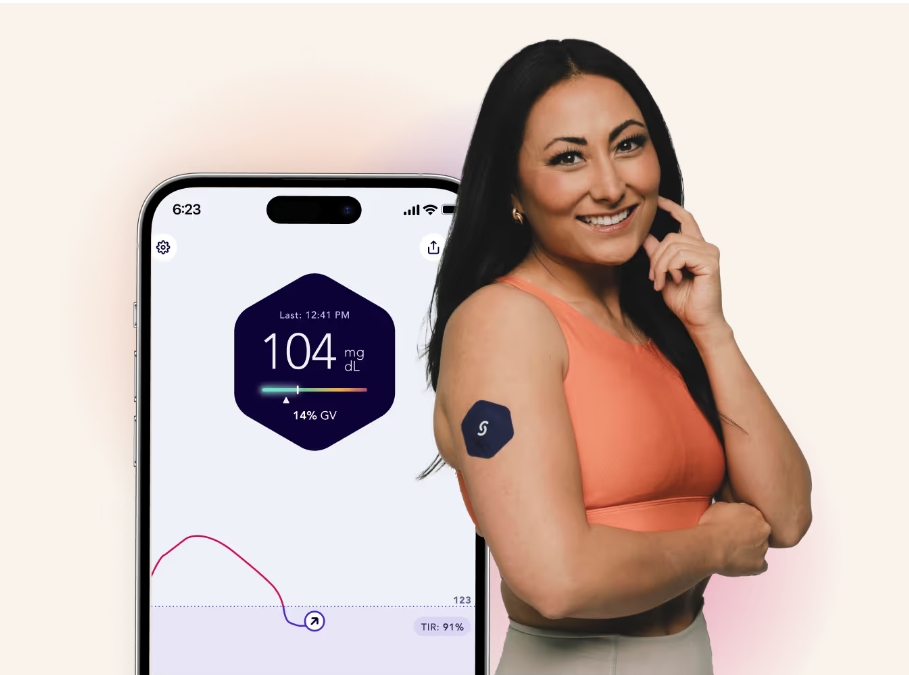
📉 4. Track Progress with TyG or a CGM

Recheck your TyG Index every few months.

Or, try a Continuous Glucose Monitor (CGM) for a few weeks—it shows you, in real time, how your body reacts to food.

Data doesn’t have to be scary—it’s feedback you can act on.

The Bottom Line 💜

We didn’t learn about the TyG Index from a doctor.
We learned about it from an Instagram scroll—and it changed everything.

When we calculated that number, it confirmed what our gut already knew: our mom’s brain wasn’t getting the fuel it needed. 

But instead of panicking, we made a plan.

We gathered the family, reviewed what was on her plate, and decided how to fix it—together.

You don’t need a PhD to understand insulin resistance.
You just need to know what it looks like—and that it’s reversible.

The TyG Index gives you a simple, straightforward way to track it.
When paired with a CGM, you’ll know exactly what to do.
And when you take action early, you’re not just managing numbers—you’re protecting your brain.

🧠 Every small change adds up to a brain that stays clearer, stronger, and more connected for longer.

The TyG Index isn’t a diagnosis.
It’s a map.
And for us, it pointed the way back to hope.

Signos

Kevin and our mom started using Signos in 2024, around the same time Continuous Glucose Monitors (CGMs) became available over-the-counter in the U.S. We chose Signos because it provides real-time data and personalized insights—it helped us see exactly how food and movement affected their blood sugar levels.

We went with the 3-month plan since the price difference wasn’t huge, and we wanted time to learn. However, now that we’ve gone through it, the one-month plan is a great starting point if you want to test the waters.

If you’re considering a 3- or 6-month plan, we have a $100 discount code you can use!

Scroll to Top